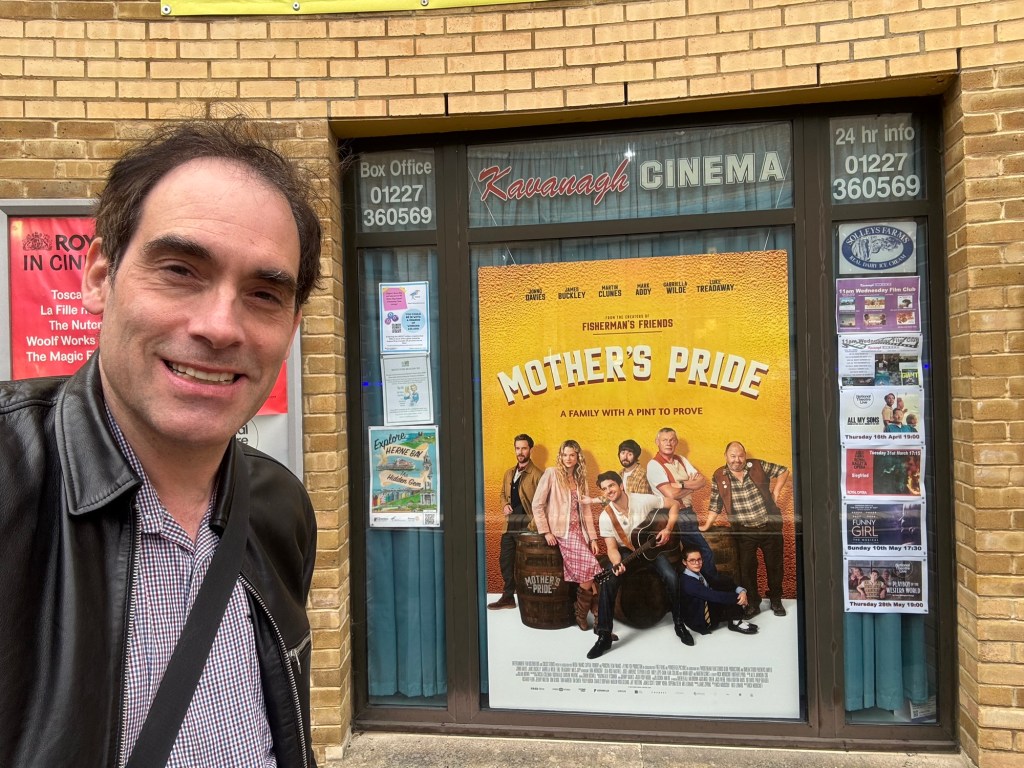
‘Mother’s Pride’ – like the beer served in the pub at the heart of the film – is a little weak. It very much feels like a spiritual precursor to films such as ‘Fisherman’s Friends’, and it follows almost every beat we’ve come to expect from this sort of British underdog story. There are echoes of other films in the genre too, including ‘Military Wives’ and ‘The Full Monty’ – and indeed Mark Addy from the latter film appears here in a supporting role. As in those stories, the characters are people who are lacking something in their lives and who struggle to articulate their emotions.
At the centre is a landlord played by Martin Clunes who is grieving the loss of his wife. His estranged son, who didn’t even attend the funeral, suddenly returns, desperate and broke. From that moment we more or less know how things will unfold: enemies and rivalries are introduced, misunderstandings are smoothed over, and eventually the community pulls together and rediscovers a shared sense of purpose. It’s all about the triumph of authenticity, goodwill and local identity over something more corporate and mercenary.
The plot revolves around rival pubs. Most of the villagers frequent the flashy ‘gastropub’, while the traditional brewery-tied pub at the centre of the film is barely surviving – to the point that bailiffs arrive to seize what little remains. Around this we get Morris dancing, village traditions and a sense of rural life under threat, with the community forced to unite to preserve its way of life.
The inevitable solution is that the characters decide to brew their own beer – and, sure enough, they end up competing for a major industry award. The trouble is that every plot development feels so predictable that you can see it coming from miles away. It’s as if the film has studied earlier successes in this genre (the director did, after all, write ‘Fisherman’s Friends’) and simply stitched together the familiar ingredients in the hope that something magical will emerge.
The result feels provincial, parochial and occasionally rather condescending, even if some audience members I was with clearly enjoyed the predictable humour – including the inevitable jokes involving dogging in public car parks. Ultimately this is the classic British underdog story played completely straight. It gestures toward themes like mental health, suicide and ADHD, but these elements are thrown in rather superficially and never really woven into a coherent or meaningful whole.



 Chris Deacy
Leave a comment